
The Ceo Of Microsoft
Updated: Jan 17, 2025
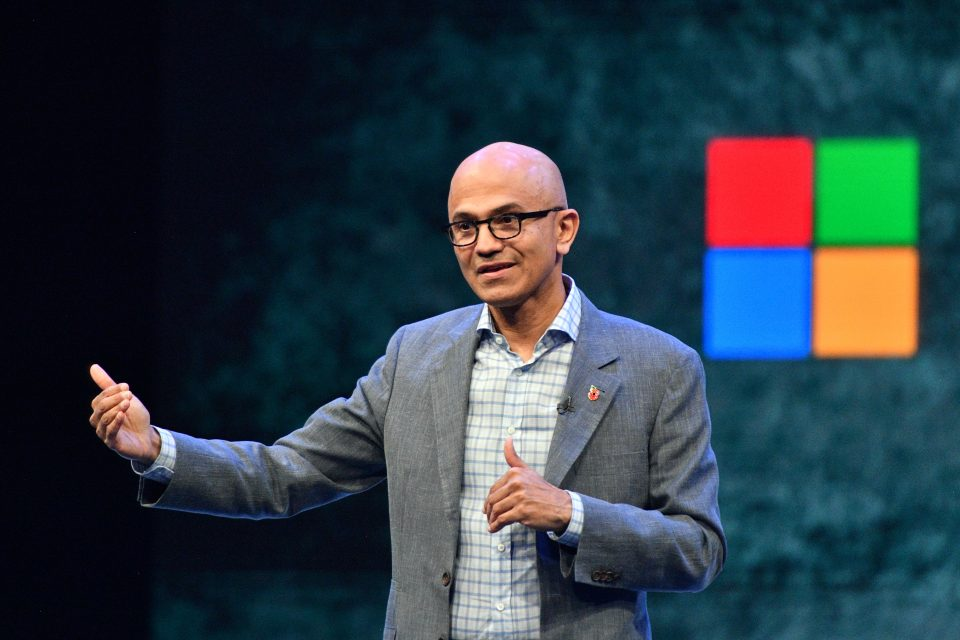
Satya Nadella's Influence on Microsoft's Growth and Innovation
Satya Nadella, hailing from Hyderabad, India, born on August 19, 1967, emerged as a pivotal force within the tech realm, notably revered for his transformative stewardship at the helm of Microsoft. His ascendancy to the zenith of one of the globe's most renowned tech conglomerates unfolds a narrative characterized by foresight, strategic ingenuity, and a profound comprehension of prevailing market dynamics.
Origin and Academic Pursuits
During his formative years in Hyderabad, Satya Nadella was enveloped in an ambiance that revered erudition, courtesy of his father's public service role and his mother's scholarly endeavor in Sanskrit. Nadella traversed through the corridors of Hyderabad Public School, renowned for nurturing a cadre of distinguished corporate frontrunners. Subsequently acquiring a Bachelor's degree in electrical engineering from Manipal Institute of Technology, India, Nadella ventured to the United States, augmenting his erudition with a Master's degree in computer science from the University of Wisconsin-Milwaukee and an MBA from the esteemed University of Chicago Booth School of Business—an amalgam that would eventually underpin his distinct approach to leadership.
Ingress into Microsoft
Stepping into the fold of Microsoft in 1992 amidst the company's ambitious expansion pursuits and forays beyond its foundational Windows operating system, Nadella initially delved into shaping the evolution of Windows NT—a pivotal component of the company's operating system repertoire lauded for its resilient architecture and enterprise-grade functionalities. As the years unfurled, Nadella shouldered diverse leadership roles spanning Microsoft's expansive portfolio, including spearheading the paradigms of the company's cloud and enterprise domain, laying the groundwork for seminal strategic metamorphoses.
Leadership Paradigm and Organizational Revitalization
Assuming the mantle of Microsoft's CEO in February 2014, succeeding the stewardship of Steve Ballmer, Satya Nadella commenced his tenure at a juncture steeped in critical challenges for the corporation. Hitherto grappling to establish its foothold in the mobile and internet spheres during Ballmer's stewardship, Microsoft found itself trailing contemporaries like Apple and Google in these pivotal arenas.
Nadella's leadership heralded a transformative shift in Microsoft's ethos and strategic trajectories. A pivot towards cloud computing marked one of his inaugural strategic overtures, acknowledging its potency as a propellant for future growth and innovation. This strategic recalibration ushered forth the genesis and amplification of Microsoft Azure—the company's cloud platform that has since galvanized its stature in the tech stratosphere.
Principal Contributions
Embrace of Cloud Computing: Nadella's advocacy for cloud computing stands out as a quintessential hallmark of his stewardship. Under his aegis, Azure burgeoned into a premier global cloud platform, rivaled solely by Amazon Web Services (AWS). This pivot not only diversified Microsoft's revenue conduits but also catapulted it into a vanguard position within a burgeoning market milieu.
Open Source Ecosystem and Collaborative Endeavors: Nadella championed a culture predicated on openness and collaboration at Microsoft, epitomized through the company's embracement of open-source paradigms—a stark departure from its erstwhile stance. Bolstering this ethos, Microsoft procured GitHub, the world's largest bastion for open-source initiatives, and rendered substantial contributions to the open-source cohort.
Strategic Mergers and Acquisitions: Nadella meticulously orchestrated a series of strategic acquisitions that fortified Microsoft's competencies and market foothold. Noteworthy among these was the acquisition of LinkedIn in 2016, at a valuation of $26.2 billion, amplifying Microsoft's footprint within the professional networking sphere while engendering a nexus for synergistic growth and collaboration.


Comments